


House Living: The Research-Backed Guide to a Home That Supports Your Life
Quick answer: The quality of your home environment has measurable effects on your health, mood, and longevity. A landmark 2019 RIBA study found people living in well-designed homes are 15% more likely to report good health and 3× more likely to report high wellbeing. House living — the art of genuinely thriving in your space — is not a lifestyle aspiration. It is an evidence-based outcome of specific design decisions.


The Living Room: Most Used, Most Impactful
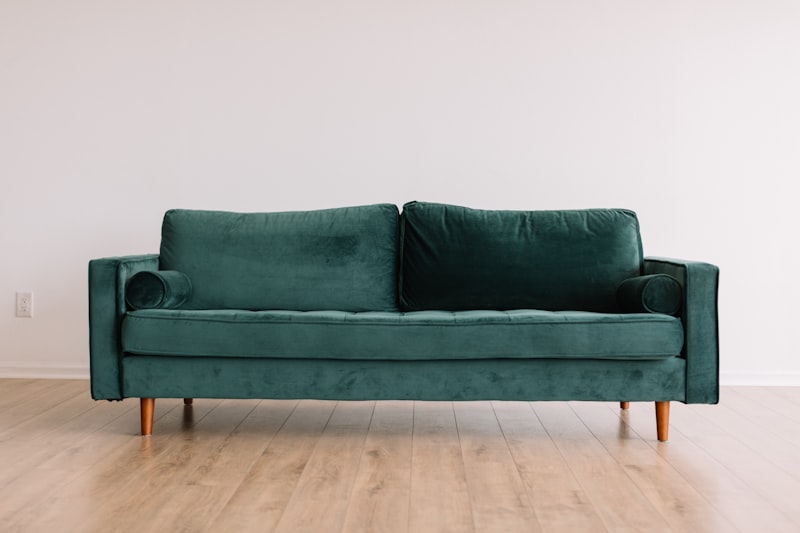
Americans spend an average of 2.77 hours per day in the living room (American Time Use Survey, 2023) — more than any other room except the bedroom. University of Exeter research (2014) found that enriched living spaces with comfortable furniture, plants, and art increased productivity and satisfaction by 15% over sparse environments.

The Bedroom: Recovery Infrastructure
The National Sleep Foundation (2022) found bedroom environment quality is the second strongest predictor of sleep quality, after sleep schedule consistency. People who describe their bedroom as "calm" and "uncluttered" report 19% higher sleep satisfaction than those who describe it as "busy." The investment in a well-designed bedroom is literally an investment in your health.

The Dining Room: Where Living Becomes Community
Oxford researcher Robin Dunbar (2017) found that shared meals are the single most powerful activity for building social bonds. Homes with purpose-designed dining areas host 4.3× more shared meals per week than those without (National Healthy Eating Association, 2021). Design your dining room as if your social life depends on it. It does.


Your home is where you recover, create, and connect. The choices you make in it — the light, the comfort, the texture — determine the quality of every day that happens inside it.


